Copy of Coupling factor V2 (with all 3 methods)
The coupling factor (or coupling coefficient) is a measure of how effectively two inductors or coils transfer energy between each other through their magnetic fields. It quantifies the strength of magnetic interaction, with values ranging from 0 (no coupling) to 1 (perfect coupling), and is a key parameter in the analysis and design of transformers, coupled inductors, and other magnetically linked circuits.
Series-aiding Series-opposing Method
According to international standard IEC 61007:2020, Clause 4.4.7, the coupling factor between windings is dependent on the following factors between the two inductors:
We don't have a way to export this macro.
where Lsa is the inductance in aiding series
Lso is the inductance in the opposing series
L10 is the inductance of the primary winding with the secondary open-circuit
L20 is the inductance of the secondary winding with the primary open-circuit
Lsa (Aiding Series Inductance)
Here, current flows in the same direction through both windings (terminals connected in aiding series). Magnetic fields reinforce each other, maximizing total inductance, this quantifies mutual inductance under additive flux conditions.
Lsa is measured by passing current in the same direction through both windings, resulting in maximum inductance due to the reinforcing magnetic fields
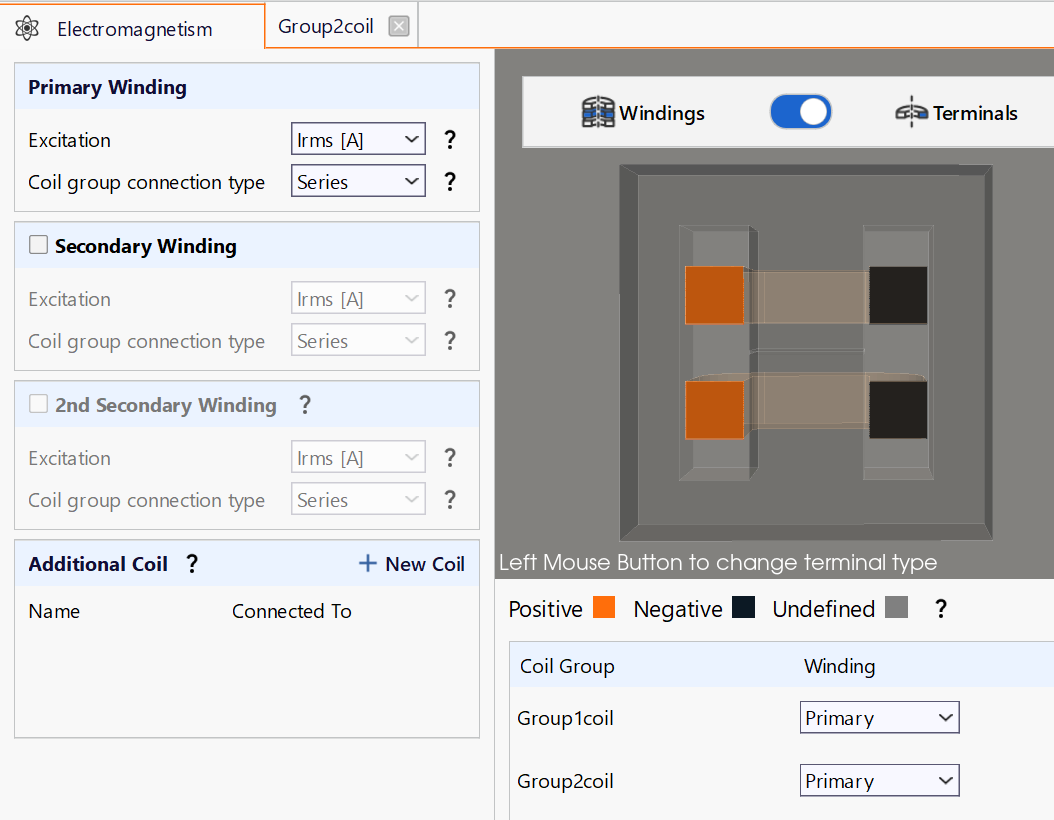
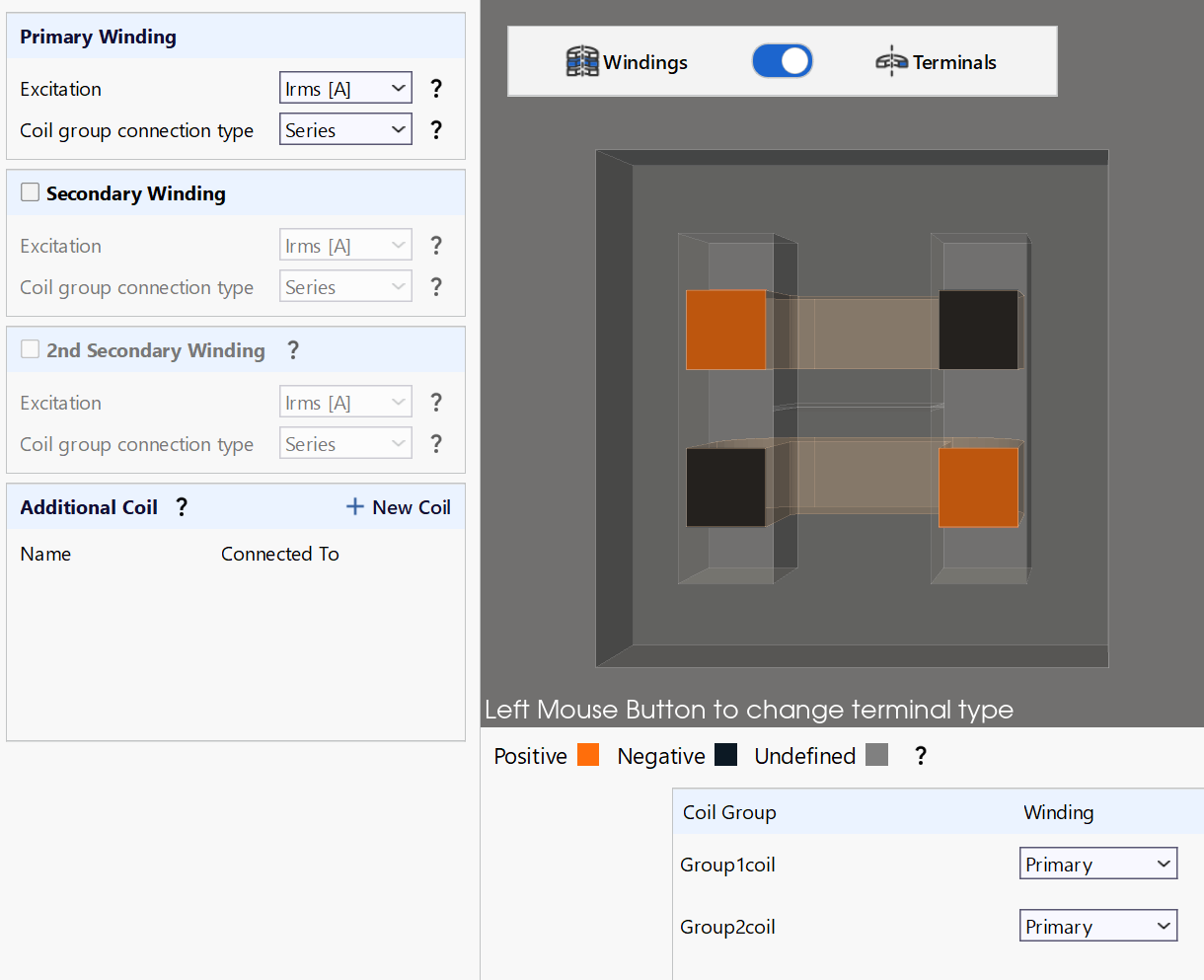
Lso (Opposite Series Inductance)
Current flows in opposite directions through the windings (terminals connected in opposing series). Magnetic fields partially cancel, minimizing total inductance, this quantifies mutual inductance under subtractive flux conditions.
Lso is obtained by running current in opposite directions through the windings, leading to minimum inductance as the magnetic fields partially cancel.
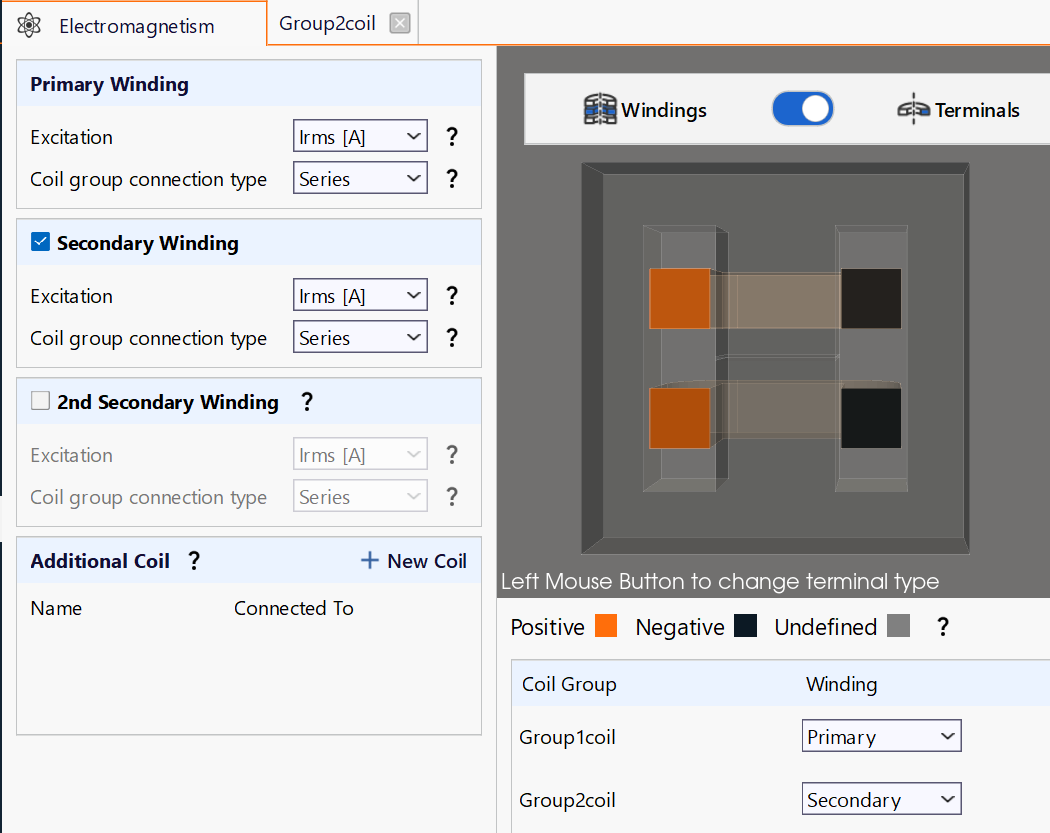
L10 (Primary Open-Circuit Inductance)
Current flows through the primary winding while the secondary is open-circuited. Measures primary self-inductance and induced voltage in the secondary, this determines primary self-inductance and transformer ratio.
L10 is the self-inductance of the primary winding measured with the secondary open-circuited, capturing the effect of induced voltage in the secondary.
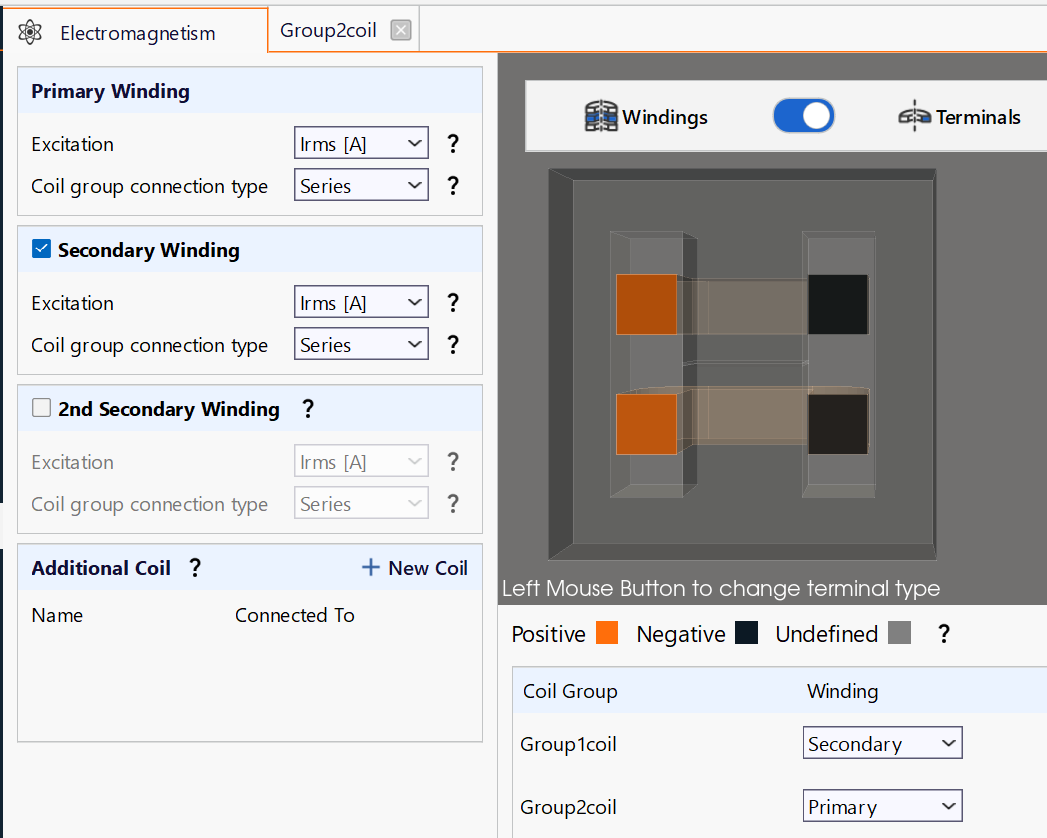
L20 (Secondary Open-Circuit Inductance)
Current flows through the secondary winding while the primary is open-circuited. Measures secondary self-inductance and induced voltage in the primary, this determines secondary self-inductance and reciprocal coupling.
L20 is the self-inductance of the secondary winding with the primary open-circuited, reflecting the induced voltage in the primary.
Coupling Measurement using Voltage Ratio Method
Voltage Ratio Method involves applying known voltage across one winding when a known voltage is applied to the same or the other winding. Using these measurements we can find the coupling factor as follows:
We don't have a way to export this macro.
where vo21 is voltage at winding 2 when winding 1 is driven
vo12 is voltage at winding 1 when winding 2 is driven
vd22 is voltage at 2 when vo12 is being measured
vd21 is voltage at 1 when vo21 is being measured
Coupling Measurement using Self and Leakage Inductance Method
Self Inductance and Leakage Inductance Method involves determining the mutual inductance between the windings based on their self and leakage inductances. Using these measurements we can find the coupling factor as follows:
We don't have a way to export this macro.
where Lleak12 is the leakage inductance measured at 1 when winding 2 is shorted
Lleak21 is the leakage inductance measured at 2 when winding 1 is shorted